

By Carter Sullivan
Climate Overview of Rifle
Rifle sits at about 5,300–5,400 feet elevation on the western slope of Colorado. Its climate is classified as a mild-summer humid continental regime, which means big swings between summer heat and winter cold. Average annual highs hover near 64 °F, while lows average around 33 °F. Annual precipitation falls in the range of 12–13 inches, with about 25–30 inches of snowfall in a typical year.
Typical Seasonal Patterns
Winter (December–February)
Winters are cold, lows frequently dipping below 15 °F, with daytime highs often staying under 40 °F. Snow is common from November through March, although accumulation in the valley is moderate, and snow tends to melt fairly swiftly during sunny days. Sunlight is abundant, though the days are short and dry.
Spring (March–May)
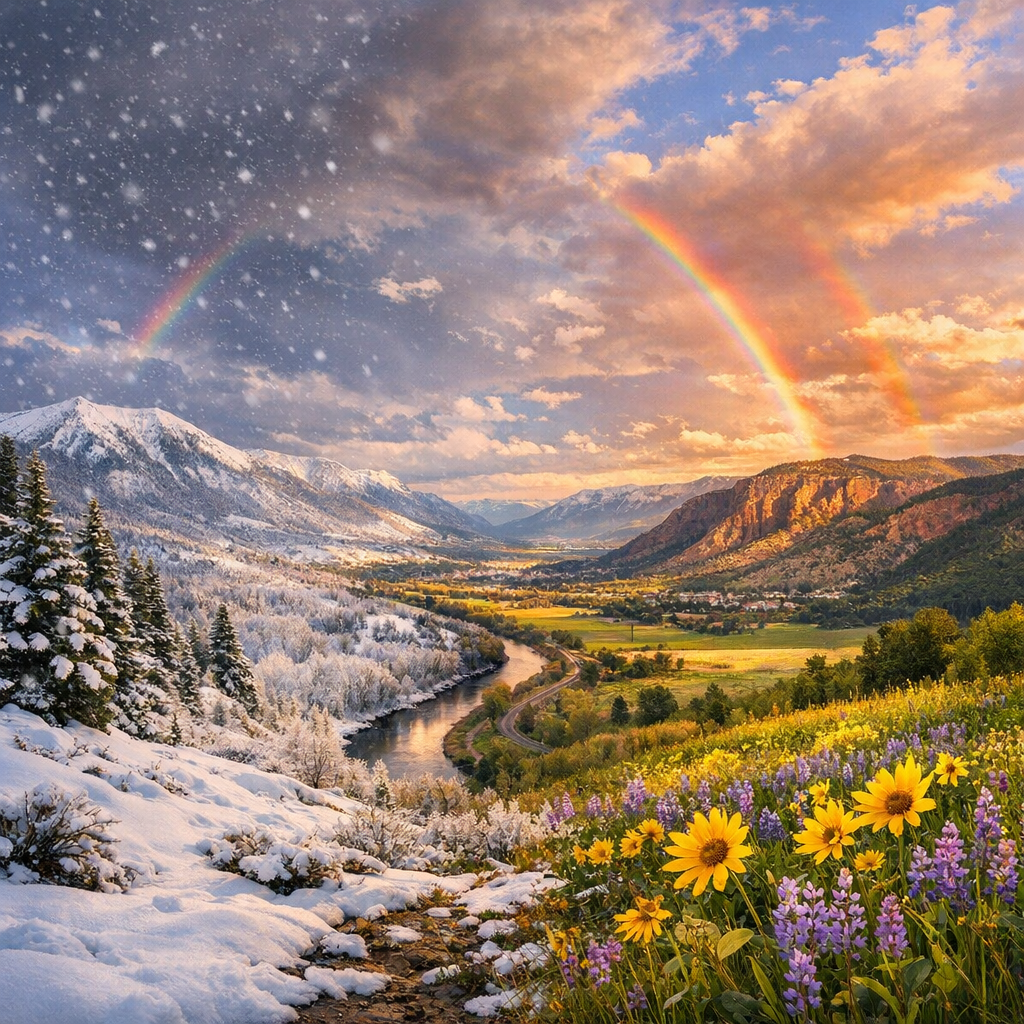
Spring brings warming temperatures—but also variability. Early in the season, we might see snow or freezing nights, shifting to milder, more comfortable days by May. Precipitation increases, often with afternoon showers or storms coming in. Snow at higher elevations lingers through early spring.
Summer (June–August)
Summers are largely hot and dry. Daytime highs in July often reach the upper 80s to low 90s, while nights cool down into the 50s. July and August are also when storms can roll through, but rainfall remains relatively light. Sunny days dominate.
Fall (September–November)
Fall is marked by cooling temperatures, vivid foliage at higher elevations, and shifting daylight. Warmth lingers into September, then autumn colors begin. Precipitation tends to tick up, especially later in fall, with occasional snow as winter approaches.
Environmental Trends & What’s Changing
Colorado as a whole has been warming over recent decades. All seasons have shown temperature increases, with fall warming particularly fast—sometimes over 3 °F in many western regions. Summer warming is notable too, especially in areas like ours.
Precipitation remains highly variable. Southwestern Colorado, including the western slope, sometimes experiences early snowmelt or shifts in rain timing that affect water availability for river flows and irrigation. The growing season here, generally under 150 frost-free days, may begin a little earlier or end a little later depending on weather trends.
Practical Impacts for Locals
Gardening: With a frost-free window typically from late April through early October, gardeners should choose hardy plants and be ready to protect young plants from late spring or early fall freezes.
Water and Wildfire Risk: Drier summers and lighter snowpack can mean lower streamflows and higher wildfire potential. Awareness of drought indices and fire bans is crucial.
Outdoor Recreation: Best times for hiking and camping are late spring (once snow melts in trails at higher elevation) and fall, when cooler air and changing foliage make for dramatic landscapes. Summer afternoons may bring thunderstorms so plan accordingly. Winter lets locals enjoy snow-based sports though valley snow is more transient.
Staying Ahead of the Weather
Keep an eye on forecasts for rapid temperature swings in spring and fall—days where it feels like summer, then something inspired by winter arrives overnight are not unusual. Also: air quality alerts matter more in dry, windy times, especially in spring when dust and particulates can rise. Local sources, outdoor exposure, and health advisories should be checked.
Understanding these rhythms helps everyone from ranchers and gardeners to hikers and families plan for what lies ahead. The weather never stays still in Rifle—but being tuned to the land makes the seasons feel familiar.