

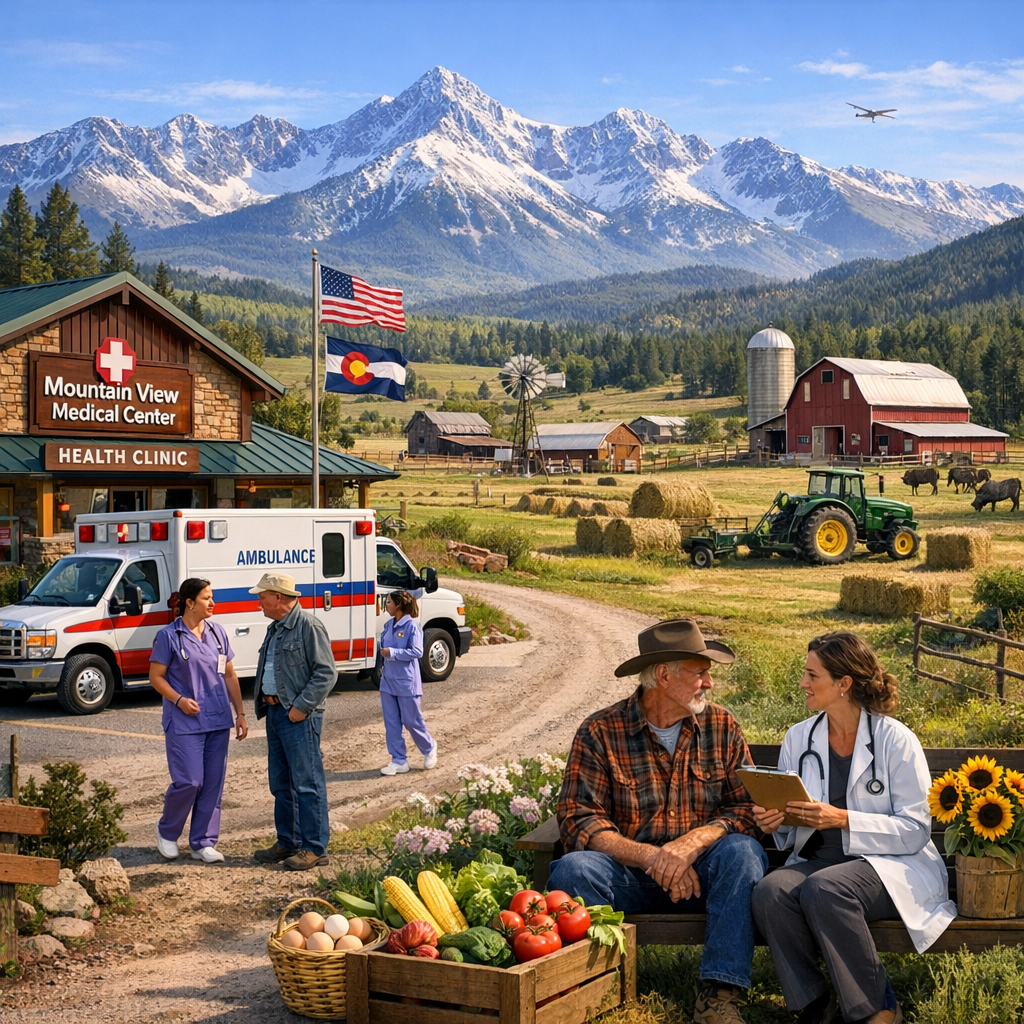
Federal policies significantly influence rural communities across the United States, including towns like Rifle, Colorado. Understanding these impacts is crucial for residents and local leaders to navigate challenges and seize opportunities.
Healthcare Access and Medicaid Changes
Recent federal changes to Medicaid have introduced new eligibility criteria and funding structures, affecting rural healthcare providers and patients. These adjustments may lead to increased uninsured rates and financial strain on local healthcare facilities. In Colorado, Medicaid plays a vital role in providing health coverage to residents in small towns and rural areas, with nearly two out of every five rural children receiving coverage through Health First Colorado. Therefore, federal cuts to Medicaid could have a disproportionate impact on rural communities, potentially increasing the number of uninsured individuals and placing additional financial burdens on local healthcare providers.
Agricultural Policies and the Rural-Urban Divide
Federal agricultural policies often reflect the divide between urban and rural interests. In Colorado, this divide influences state-level agricultural legislation, with rural lawmakers striving to protect farming and ranching interests. For instance, debates over pesticide regulations and tax incentives for alternative livestock grazing highlight the ongoing tension between urban environmental concerns and rural economic needs. These policy decisions directly affect agricultural practices and economic viability in rural areas like Rifle.
Economic Development Initiatives
Federal investments in rural economic development aim to bolster infrastructure, broadband access, and job creation. Colorado has received significant federal funding to support rural healthcare systems, including a $200 million allocation to strengthen rural health care by supporting providers and increasing access to care. Additionally, initiatives like the Rural Economic Blueprint focus on expanding broadband services, reducing healthcare costs, and investing in rural infrastructure. These efforts are designed to create a more resilient and diversified economy in rural regions.
Conclusion
Federal policies have profound and multifaceted effects on rural communities such as Rifle, Colorado. Staying informed about these policies enables residents and local leaders to advocate effectively for their needs and adapt to the evolving landscape shaped by national decisions.