

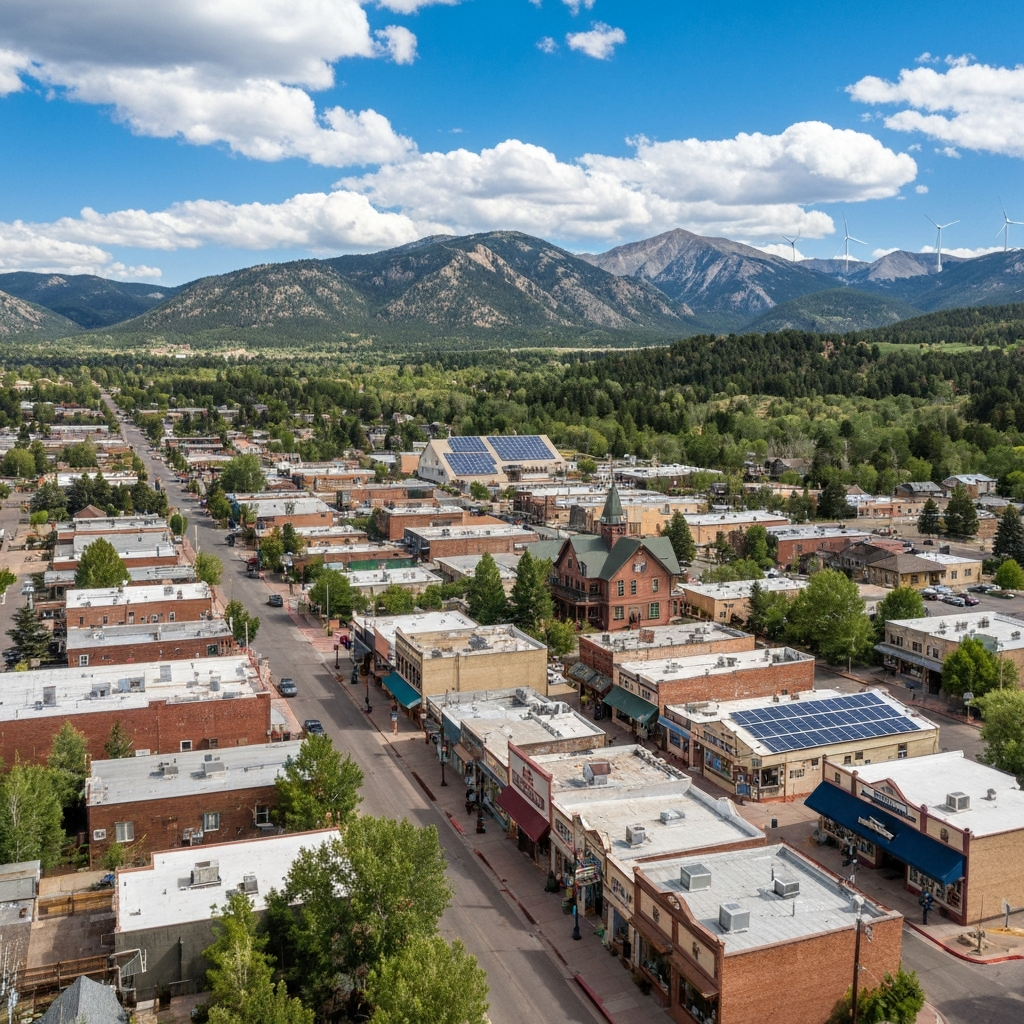
Colorado’s picturesque mountain towns, including Rifle, are experiencing significant transformations influenced by global trends. These changes are reshaping local economies, housing markets, and community dynamics.
Tourism Dynamics
After a surge in tourism during the pandemic, many mountain towns are now witnessing a decline in visitor numbers. This downturn is attributed to various factors, including economic sensitivities among travelers and increased competition from other destinations. For instance, the 2025–2026 ski season saw a 25% drop in booking pace compared to previous years, leading towns like Vail and Breckenridge to adjust their financial strategies.
Remote Work Migration
The rise of remote work has attracted professionals to Colorado’s scenic locales. Towns such as Aspen and Telluride have seen an influx of remote workers seeking longer stays, blending work and leisure. This trend has led to increased demand for extended lodging options and has impacted local housing markets, often driving up prices and creating affordability concerns for long-time residents.
Economic Impacts
Events like the Montrose County Event Center have highlighted the economic significance of attracting visitors from outside the region. Reports indicate that nearly 73% of the center’s economic impact is driven by non-local visitors, emphasizing the importance of tourism and events in sustaining local economies.
Community Adaptations
In response to these global influences, communities are exploring strategies to balance growth and maintain their unique identities. This includes diversifying economic activities, investing in infrastructure to support both residents and visitors, and implementing policies to address housing affordability.
As global trends continue to evolve, Colorado’s mountain towns are at the forefront of adapting to these changes, striving to preserve their charm while embracing new opportunities.