

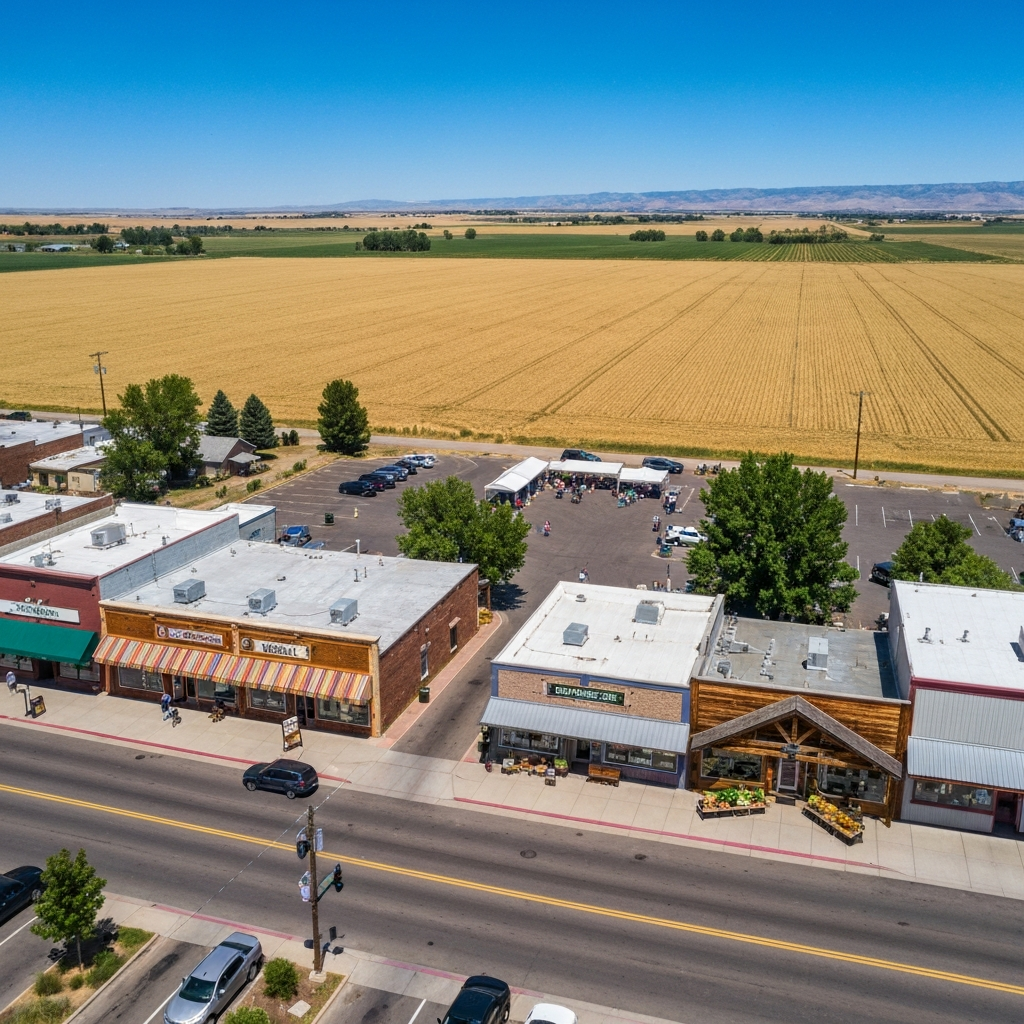
Federal economic policies significantly influence rural communities across the United States, including towns like Rifle, Colorado. Understanding these impacts is crucial for local residents and policymakers to navigate challenges and seize opportunities.
Tariffs and Trade Policies
Recent federal tariff policies have introduced economic uncertainties for Colorado’s rural sectors. A report from the Colorado Office of Economic Development and International Trade highlights that tariffs have increased costs across various industries, affecting businesses and consumers alike. For instance, the agriculture sector faces higher equipment and fertilizer costs, coupled with unpredictable access to global markets, leading to financial strains on farmers and ranchers. [Source: Colorado Governor’s Office]
Federal Budget and Social Programs
Changes in federal budget allocations have also impacted rural communities. The ‘One Big Beautiful Bill Act’ introduced modifications to social safety net programs and the tax code. Analyses suggest that while certain tax cuts may benefit higher-income families in urban areas, reductions in programs like Medicaid and the Supplemental Nutrition Assistance Program (SNAP) could disproportionately affect rural residents who rely more heavily on these services. [Source: Bell Policy Center]
State Initiatives to Support Rural Economies
In response to these federal policy shifts, Colorado has implemented measures to bolster rural economies. The Rural Economic Blueprint, released by Governor Polis, outlines strategies to enhance broadband access, reduce healthcare costs, and invest in infrastructure. These initiatives aim to mitigate the adverse effects of federal policies and promote sustainable growth in rural areas. [Source: Colorado Governor’s Office]
Local Adaptation Strategies
Communities like Rifle are actively seeking ways to adapt to these economic changes. Efforts include diversifying local economies, investing in education and workforce development, and fostering public-private partnerships to attract new businesses. By leveraging state resources and community resilience, rural towns can navigate the complexities introduced by national economic policies.
Understanding the interplay between federal decisions and local realities is essential. By staying informed and proactive, communities can develop strategies that align with their unique needs and aspirations, ensuring a resilient and prosperous future for rural Colorado.